Digital Construction

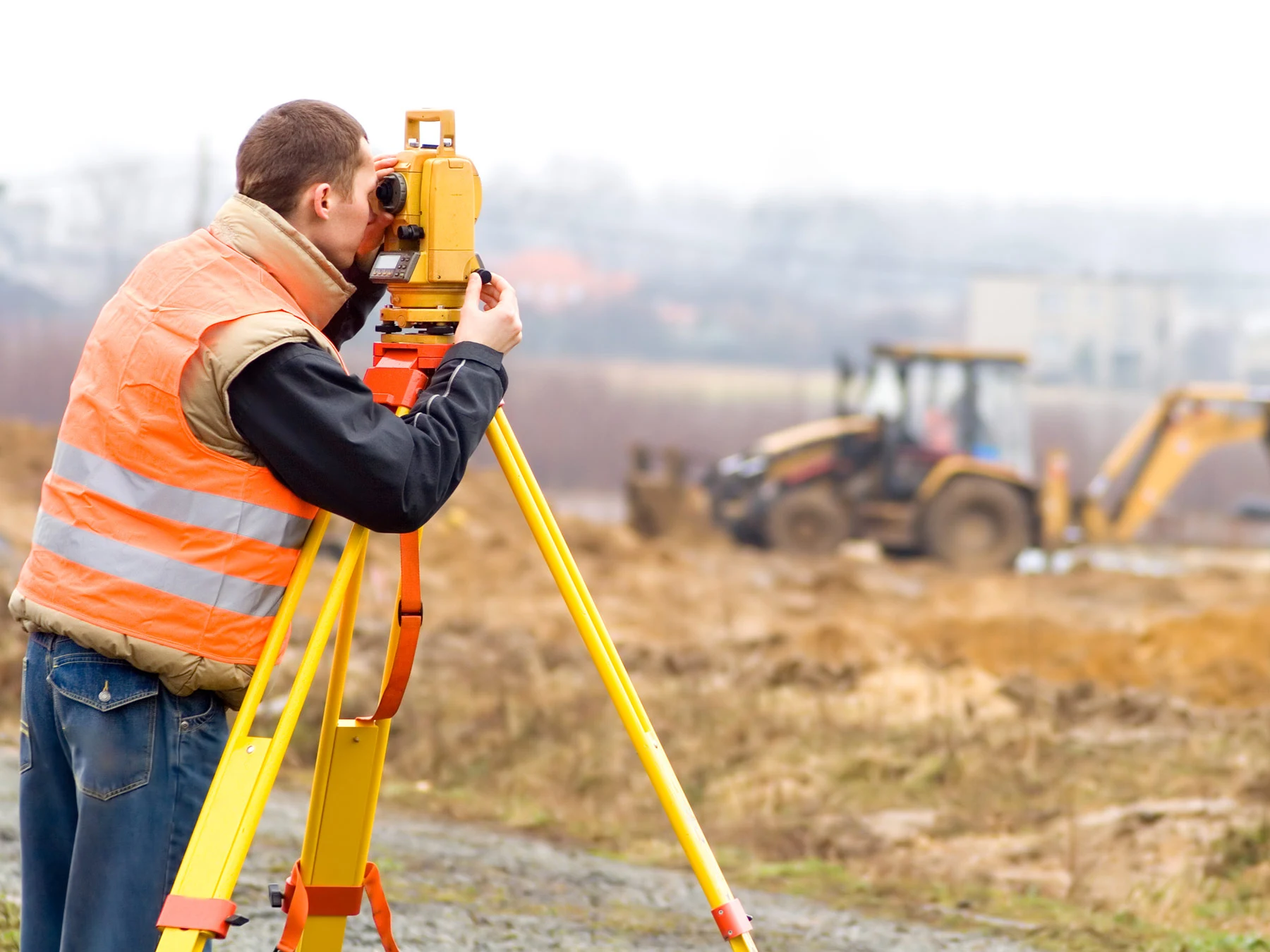
Digitization has enabled construction professionals to use advanced 3D modeling and building simulation tools to plan and design projects more efficiently and accurately, recreating what the building process will look like before it starts and anticipating risks. Digitization has also improved construction site safety. Drones are used to perform inspections and risk assessments in hard-to-reach locations. Smart glasses and other wearable devices allow workers to receive real-time information about safety and precautions to take to avoid accidents. Digitization has also enabled a reduction in costs and construction time. Digital planning and design tools allow teams to identify and resolve problems before construction work begins, reducing costs and time. In turn, it has enabled the automation of many tasks, reducing errors and the time required to complete them. As mentioned above, new technologies allow the construction sector to work with greater foresight and adjust needs. This makes it possible to accurately measure the materials needed for each project and to prevent 35% of the materials from being wasted, as happens in traditional construction. There are various digital platforms available for construction industry, we help you to choose right platform for your needs. Also, helps you to connect with companies providing these services to make your construction journey efficient and smooth.
Building Information Modelling
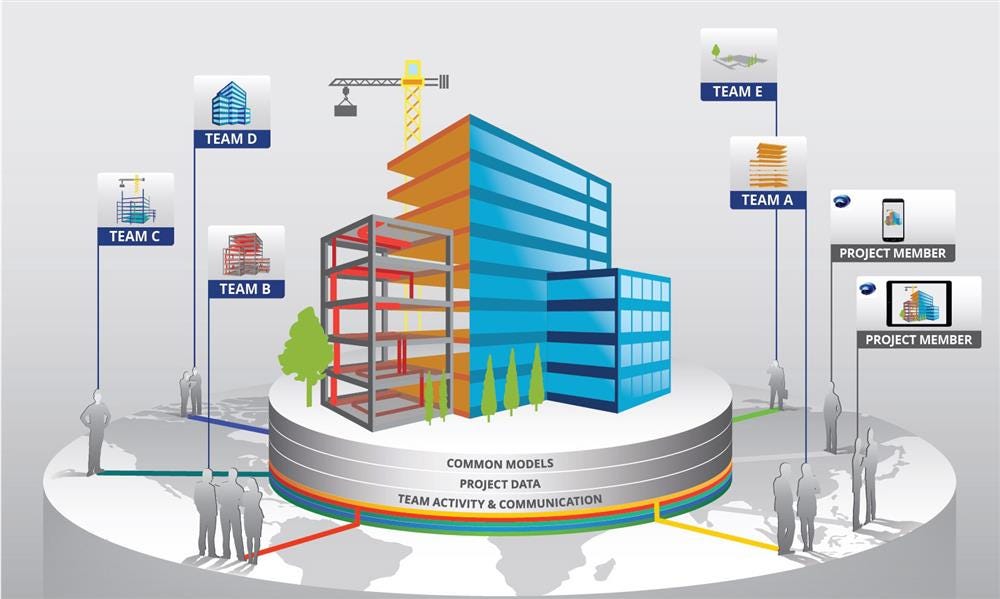
BIM is a process of visualizing a digital representation of a physical asset via the 3D model. This allows for the tracking and monitoring of an asset throughout its existence, from initial design to construction, operations, and maintenance. Project teams can collaborate, share information, and monitor project costs using BIM. Digital tools make project management easier and more streamlined, avoiding the silos often formed when using traditional CAD approaches. Construction management is complex and requires open communication between design and construction teams. When delays, miscommunication, and errors occur, it can have a significant impact on overall project costs.
Drone Progress Monitoring
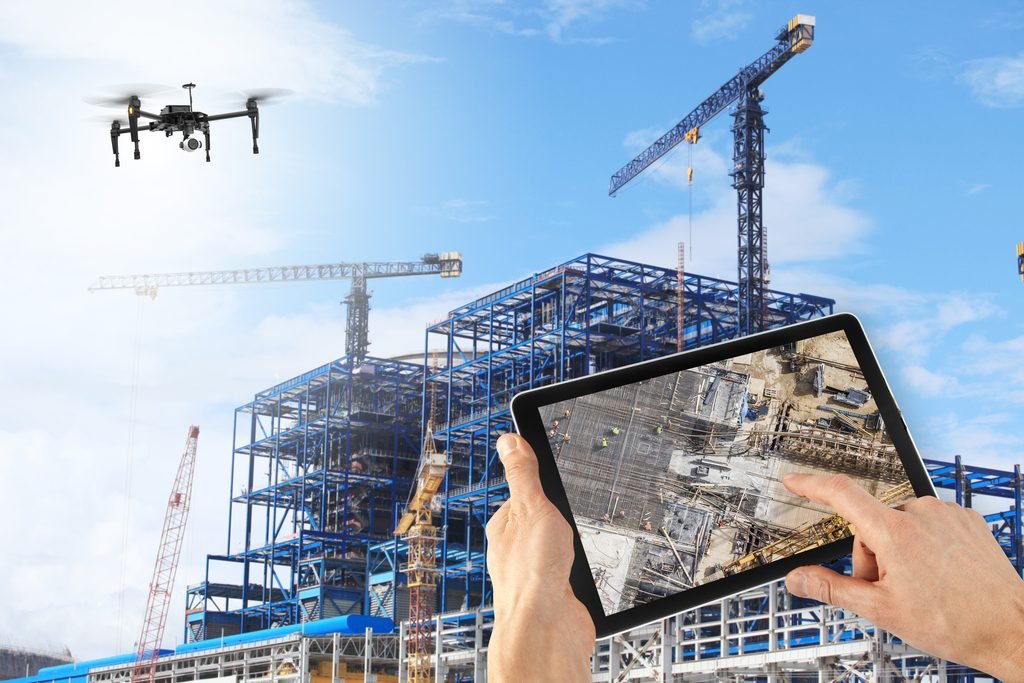
Drones have become increasingly popular over the years, and project managers have found them to be a valuable tool in monitoring project progress. With a drone, you can capture detailed high-resolution aerial images and videos, which provide an accurate and up-to-date view of your project site. Instead of relying on outdated or even inaccurate maps or designs, you’ll get a real-time view of the project site, which can help you make quick decisions regarding the project. Weekly drone photos can help you keep track of your project progress over time. You can analyze the changes that have taken place between each photo, helping you keep tabs on any issues that may arise or opportunities to make changes to the project’s plans. Weekly drone photos can provide an overview of the project site, allowing you to spot problems before they get out of hand.
Document Management Software
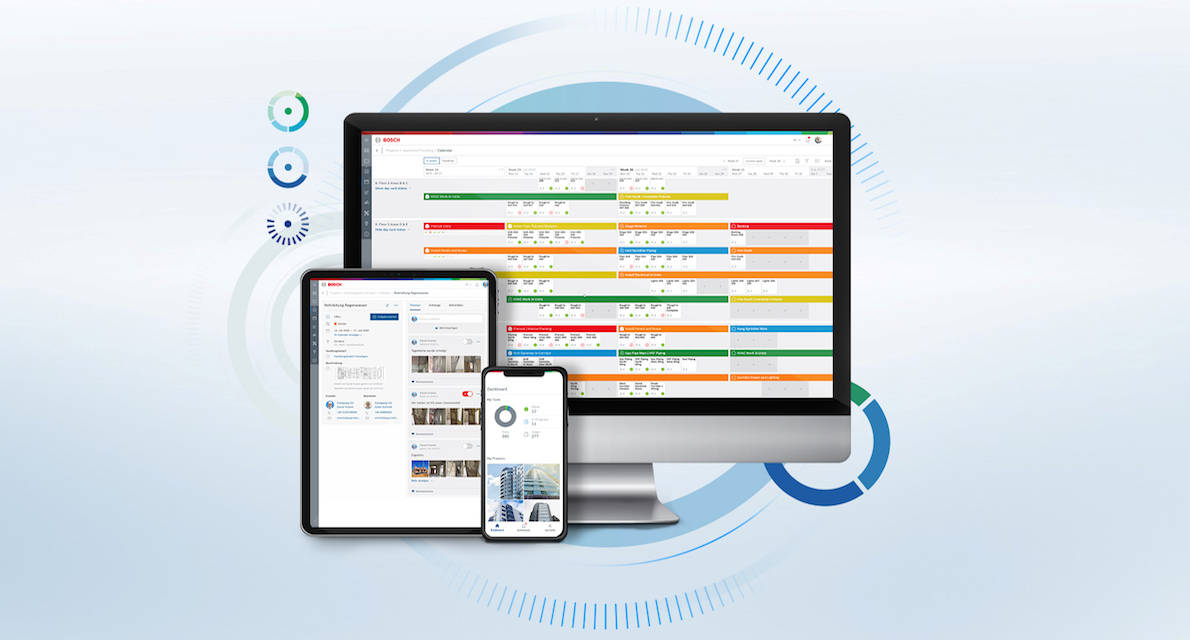
Therefore, construction document management is a process whereby project managers store and file all day-to-day construction documents in an accessible way. It starts with document control, where each piece of documentation is captured for later use by stakeholders. In simple terms, document management creates a single repository for all major documents, allowing people to access them in one place. However, things have changed. Documents have shifted from filing cabinets to the virtual cloud interface. Most construction managers have adapted to the new digital change of storing all necessary documents on document management software, where people can easily access them online. Here are some notorious benefits of storing all the construction documentation online.
Virtual Reality
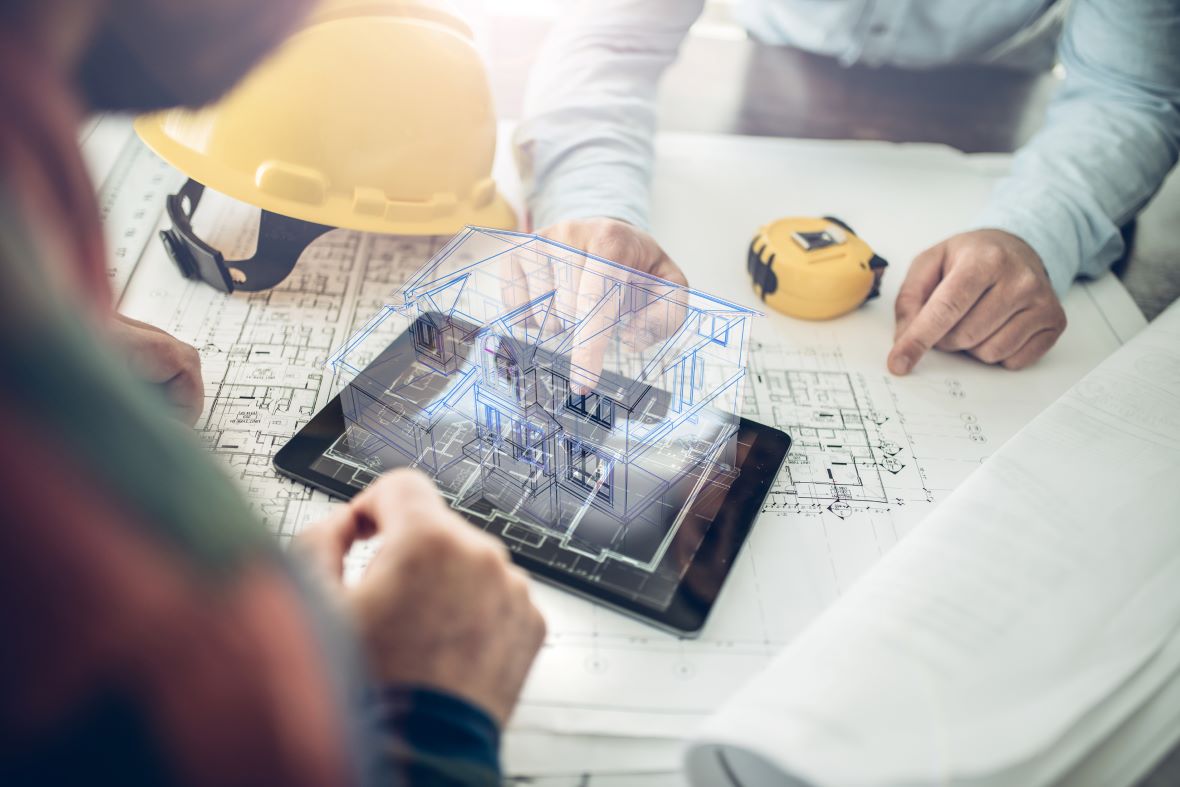
One of the most significant benefits of VR in construction is its ability to enhance design visualization. Architects and engineers can use BIM Services to create 3D models of proposed construction projects. The 3D model thus generated, along with VR, allows stakeholders to explore and interact with the design in a virtual environment. This immersive experience can help identify potential design issues early on, enabling changes to be made before construction begins and saving both time and resources. VR can also streamline project planning and coordination. Project managers can use VR to visualize the construction site, plan logistics, and coordinate resources such as equipment and materials. Furthermore, VR can simulate different construction scenarios, helping identify potential issues and optimize the construction process.
Site / Field Inspection
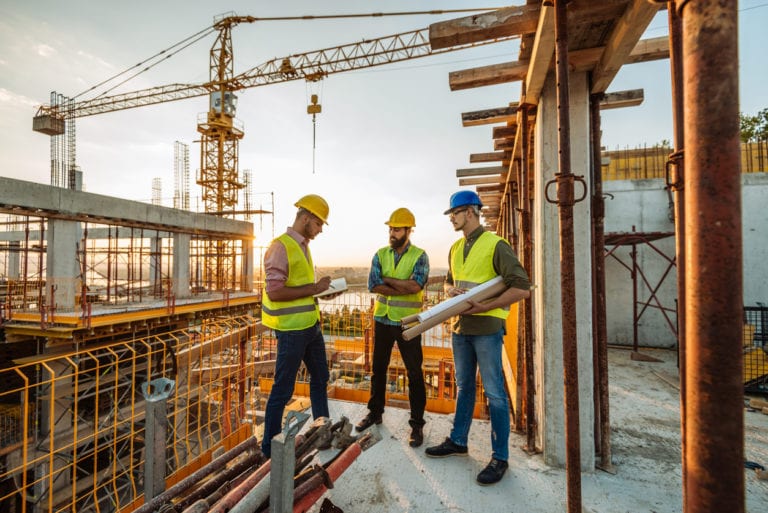
Site inspections are a set of regular activities to check and verify the on-field compliance including Safety Standards, working conditions, and other critical areas of work site. Site inspection is being conducted and carried out using traditional methods of field visits with pen and paper checklist. They are collated at the end, churned into information after few days and then, a final report is published. A lot of time and effort is carried out to do the same. And during time non-compliances are identified and hence further steps are being taken. Transforming the same activity onto a digital platform using a software tool on the field or off the field gives an instant reporting platform with all the inspection checklist ready to be filled in, reporting NCs, other findings and sharing digital real-time reports to all the stakeholders. And most importantly, the complete closure cycle of NCs including the corrective or preventive action tracking will certainly make the whole process efficient and with real time updates, more transparent.
Progress Monitoring Camera & Laser Scanners
3D laser scanners are a Reality Capture technology that create a virtual representation of the jobsite with one critical advantage: besides also capturing 360 images, laser scanners document construction sites in real 3D with millions of measurements in seconds, with millimetre precision. During the construction phase, laser scanners have been used to survey the current As-Built status at the site in preparation for work packages demanding precise tolerances and measurements. 360-degree cameras can help construction companies to monitor progress in real-time. By capturing images of the site regularly, construction managers can keep track of how much work has been done and identify any areas that may be behind schedule. This real-time monitoring allows managers to make timely adjustments to the construction process, ensuring that the project stays on track and within budget. 360-degree cameras are innovative devices that can capture a panoramic view of a construction site. They are small, lightweight, and portable, making them easy to move around the site and capture images from different angles.